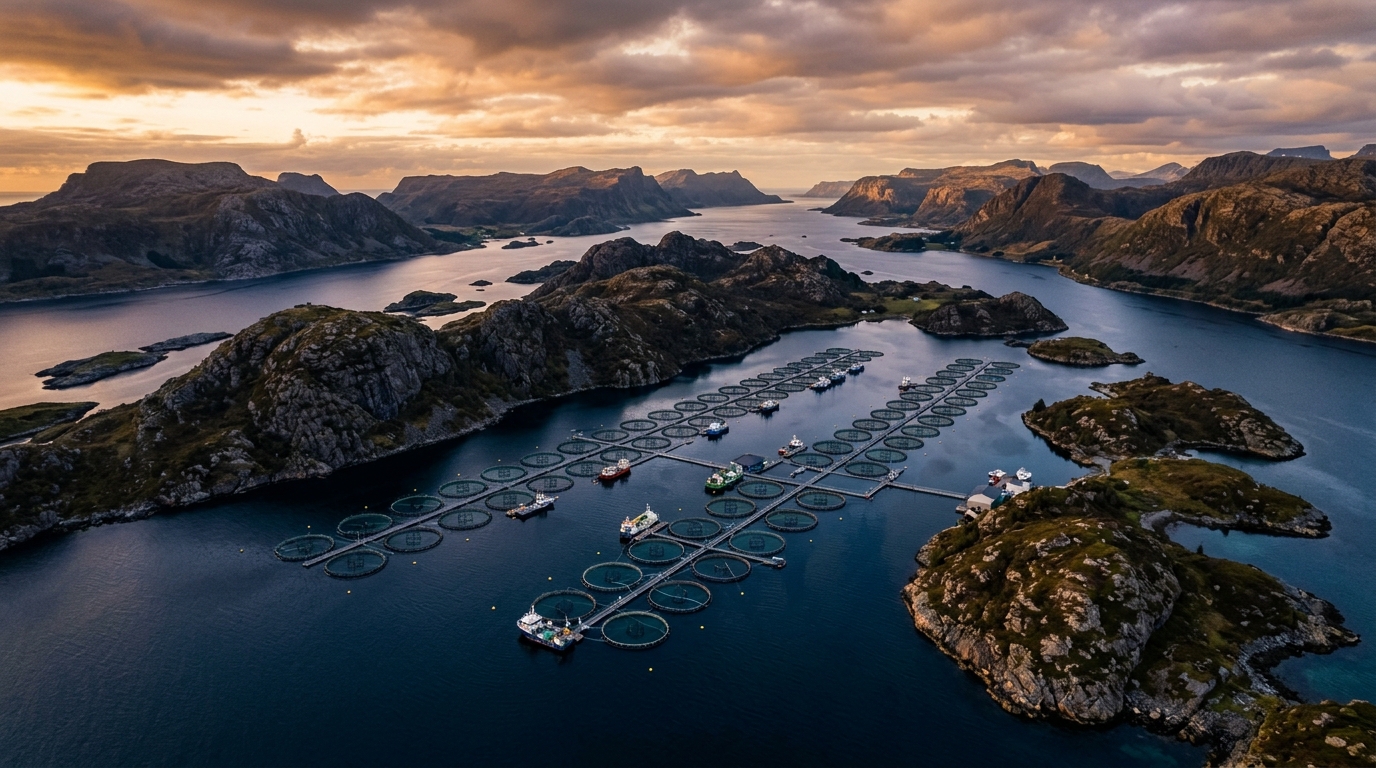
July on a Norwegian fish farm is not the same as July anywhere else. The summer production push means longer shifts, heavier physical demand, and a kind of fatigue that accumulates in the body differently than normal tiredness. Most fitness advice assumes you have time to recover. In peak season on Frøya or Hitra, that assumption is wrong.
This is not about performing at your peak. That ship has temporarily sailed. This is about not losing ground: arriving in August with your baseline intact rather than six weeks behind it.
Why Standard Fitness Advice Fails Here
The usual framework is simple: train hard, recover well, repeat. That only works when recovery time exists. At peak production, the recovery window shrinks to almost nothing. You are working physical shifts, sleeping in compressed windows, and asking your body to do it again tomorrow.
Most fitness content written for workers still assumes two to three dedicated training sessions per week are available. In July production season, that is not realistic. If you try to maintain a full training volume on top of a physically demanding job, you will hit a wall by week three. The error is treating the job as separate from the physical load. It is not. The job is the training load.
The Minimal-Viable Protocol
These are not hacks. They are decisions about what to protect when you cannot protect everything.
1. Keep one movement session per week, even 20 minutes. Not a full session. Not maximal effort. A deliberate 20-minute movement window: a walk, a short resistance circuit, anything that signals to your body that you are still an active person. This prevents the mental and physical drift that comes from full inactivity.
2. Sleep quality over sleep quantity. You may not be able to add hours. You can protect the hours you have. Dark room, consistent sleep time, no screens in the 30 minutes before. In July with long Norwegian light, blackout curtains are not a luxury.
3. Protein and calories. Do not accidentally under-eat. Physical shift work burns more than people expect. Summer heat and work intensity raise the demand further. Skipping meals or eating light is how your body starts cannibalising muscle. Adequate protein at each meal and not relying on willpower to eat enough when exhausted are the two rules here.
4. One short decompression before bed. Not stretching for performance. Five to ten minutes of deliberate stillness. The nervous system needs a clear signal that the shift is over. Without it, sleep quality suffers regardless of how tired you are.
What Not to Cut
If you are going to deprioritise something, deprioritise intensity, not frequency. One short walk beats zero sessions. Six hours of good sleep beats eight hours of poor sleep. A nutritious meal beaten together in 10 minutes beats skipping because cooking felt like too much.
The baseline is the thing worth protecting. It took months to build. It takes longer than one hard week to lose, but it does erode. Protect it now and September is a recovery period, not a rebuild.
Original request: SIGNAL article brief — aquaculture worker summer fatigue Norway