There is a specific quality of reckoning that arrives in your 40s when you have spent your 20s and 30s doing serious physical work.
It is not sudden. There is no single day where the cost announces itself. It comes in quietly: a knee that takes longer to settle after a long shift, a shoulder that objects to the same movement it handled without comment for fifteen years, a wrist that has become a weather forecast. The body is presenting a bill. The items on it were written years earlier, in cold air, across repetitions that added up.
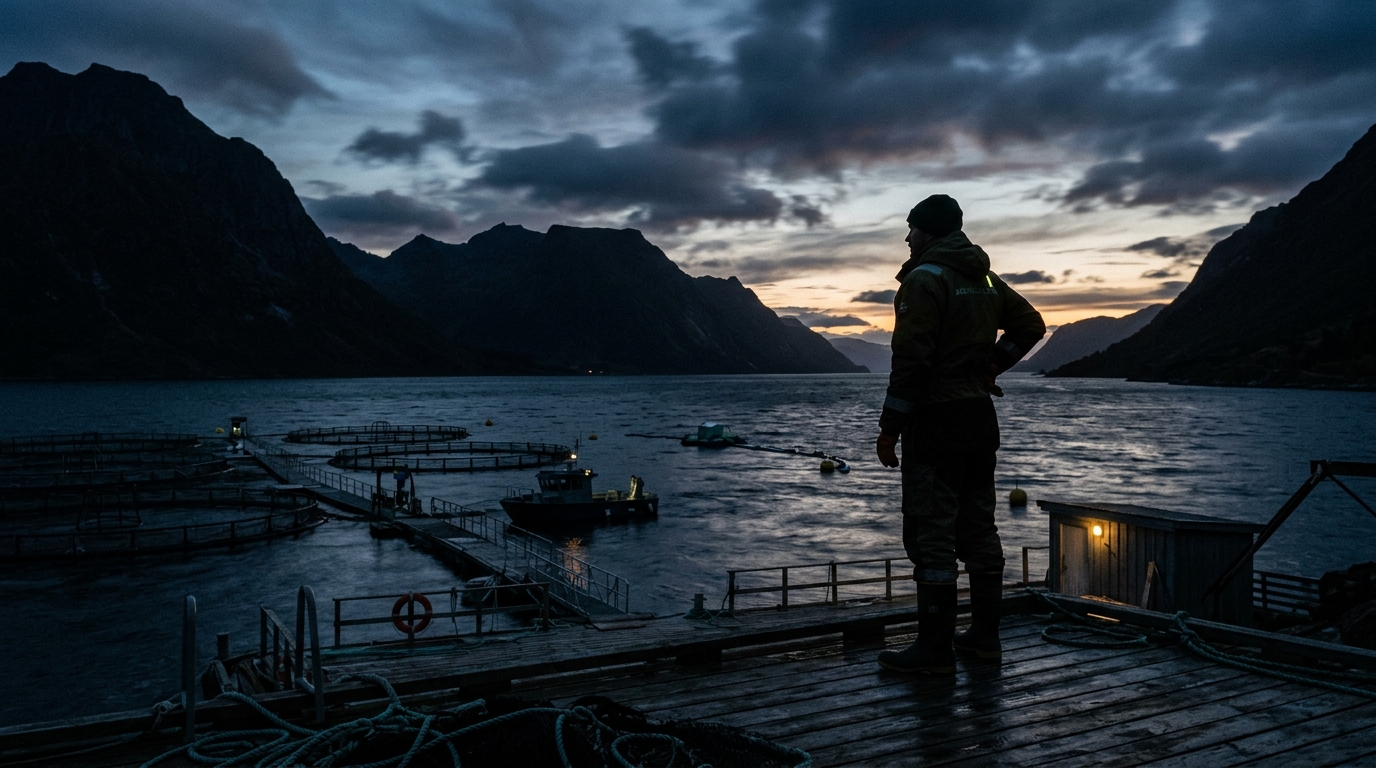
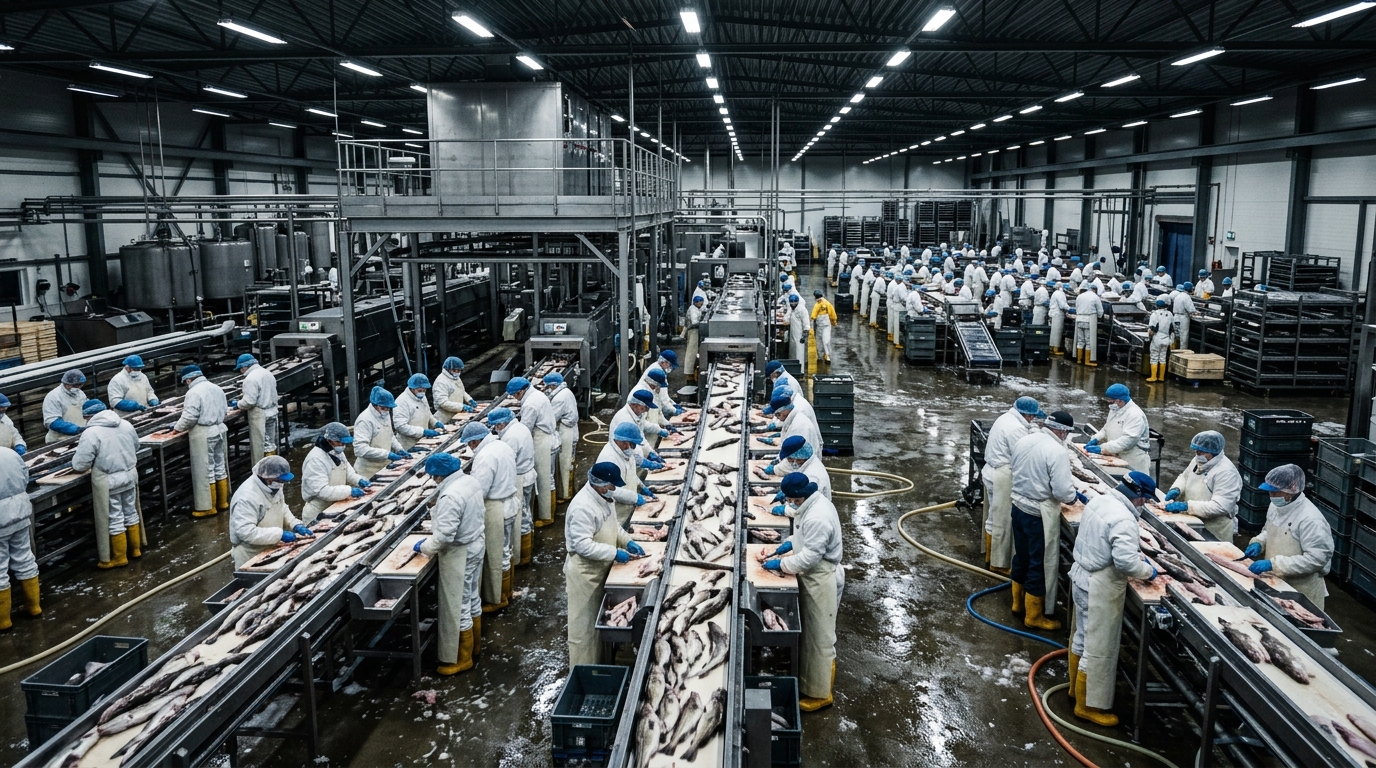
In Norwegian aquaculture and marine logistics, this is not an edge case. It is the standard arc for a significant portion of the workforce. The industries that build this country's food production and export economy run on physical labour in cold, wet environments. The people doing that work are carrying a long-term biological cost that most of them were never told about at the start.
The compound logic of physical wear
Most thinking about physical health focuses on acute events. The pulled muscle, the fall, the sudden injury. These are real, but in repetitive cold work environments, they are not where most of the long-term damage originates.
The more significant risk is cumulative. Small amounts of damage, repeated thousands of times, in conditions that reduce the body's ability to repair between exposures. The cartilage that cushions your wrist joints absorbs a fraction of a gram of wear each time you grip, lift, or rotate in cold conditions. Individually, nothing. Across a career, the arithmetic is serious.
Cartilage does not regenerate. The biological systems that maintain it work continuously, but they require adequate circulation, warmth, rest, and nutritional support to do so. Cold environments compromise circulation to the extremities. Long shifts compress rest windows. High production seasons remove the recovery space that lets the body service what the work demands of it.
This is exactly the pattern that research into seafood production workers in North Norway documents. The findings are consistent: musculoskeletal symptoms affect the majority, cold work is a significant risk factor, and the conditions of Norwegian aquaculture and marine processing place workers in precisely the exposure profile that leads to early joint deterioration.
What Frøya teaches about the long game
Living on the island and watching how the industry operates here has clarified something about this that data alone does not fully convey.
The people doing the most physically demanding work in Norwegian aquaculture are often the most committed, the most experienced, and the most careful about the job itself. They take the technical side seriously. They know their fish. They know their equipment. What they often do not have is equally serious preparation for what the work will do to their bodies across a career.
That gap is not a character flaw. It reflects what the industry has historically prioritised and what training has historically covered. The result is workers who arrive at their 40s carrying the physical consequences of two decades of cold, repetitive work without having been given the tools to manage the accumulation.
The Frøya in February piece touches on this from a different angle: winter reveals whether your approach to the body is built for real conditions or only for easier ones. The same logic applies here at a longer scale. An approach to physical preparation that only accounts for performance in the short term will fail the people who work hard for decades.
What changes when you take the long view
The TLE framework is built on one premise: the body is infrastructure. Not an aesthetic project, not a performance vanity. Infrastructure that determines the quality and duration of everything you build on top of it.
For workers in physically demanding cold environments, that means building and maintaining the specific capacities that protect joints from cumulative wear. Not general fitness. Not training for aesthetics. Targeted work on:
Joint mobility and stability. Strength and range of movement in the specific joints under occupational load. Wrists, hands, shoulders, lower back, hips, knees. Not maximally loaded. Progressively conditioned to absorb and recover from the specific demands of the work.
Cold-to-warm transition protocols. The period after a cold shift is a recovery window. How you use it changes what your joints and tissues do overnight. Movement that restores circulation, followed by warmth, followed by adequate sleep, is not a performance hack. It is basic maintenance for a system under sustained occupational load.
Recovery as a non-negotiable input. Not rest as passive inactivity. Active recovery that clears the metabolic byproducts of physical work, supports circulation to damaged tissue, and prepares the system for the next day's demands. The piece on why recovery is the training sets this frame clearly.
Sleep as structural repair time. The deep sleep stages where growth hormone is released are when joint tissue maintenance and repair actually happens. Compressing sleep, particularly during peak season, is compressing the only repair window available. The energy budget covers why this is an operational question, not a wellness preference.
What to do with this
If you are in your 20s or 30s doing cold repetitive work in Norwegian aquaculture, the window to change the trajectory of the bill you are accumulating is open right now. Not dramatically open. It does not require a lifestyle overhaul. It requires a set of specific habits built into the margins of the working week.
If you are older and already carrying the early signs of cumulative joint damage, the window is narrower but still meaningful. The rate of further decline is not fixed. It responds to the same inputs: joint-specific conditioning, recovery discipline, and reduction of the factors that accelerate wear.
If you are in a position to influence the physical preparation available to workers in this industry, whether as a manager, a union representative, an HSE professional, or an operational leader, the economic case for doing so is clear. So is the human case. The decision-maker piece and the worker-facing article together make the full argument.
The body doing this work is not replaceable. The bill it runs has a payment date. The only variable is what you do about it before that date arrives.